
The Hidden Cost of Choice in Hospital Supply Chains
This is the opening entry of a three-part series based on Hueman RPO's video interview with Scotty Kinn and Dave Malenfant on the healthcare supply chain. You can watch the full video series.
When hospitals look for ways to reduce costs, the immediate impulse is often to cut staff. But in reality, hospitals can achieve far greater, less disruptive savings by eliminating waste and inefficiencies in the supply chain. Rather than focusing on staffing reductions, hospitals should target the unnecessary complexity and excess that drive up supply costs, protecting both patient care and employee morale.
The number in question, as Dave Malenfant, founder and CEO of MDM Consulting and a man who has spent his professional life within group purchasing organizations and health systems, explains, is more than 5,000.
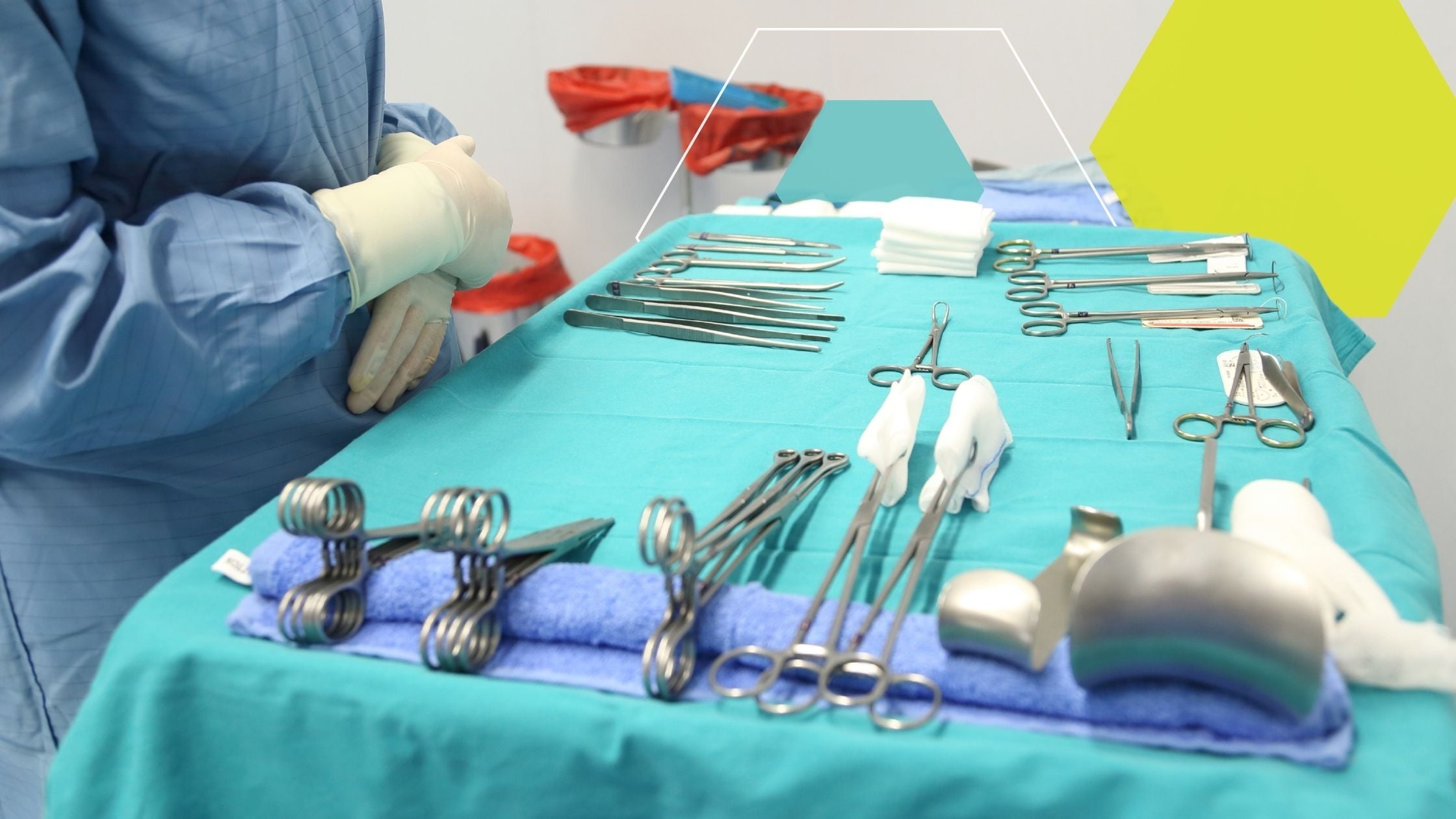
It isn't 5,000 units; rather, there are five thousand different variations—those with beveled edges, straight cuts, pointed cuts, and all the different kinds of handles that a surgeon might prefer. Each of them has to be obtained, kept in stock, sterilized, and recorded. Now each is an individual line item the supplier has to plan production around. "When you explain this to the hospitals, they get it," he said. "You're carrying 5,000 different knives.
That means the supplier has to now plan for those 5,000 variations. And your costs go up."He says that if you narrow it down to about 500 models that meet all the actual clinical needs, you will make the supply chain considerably stronger and substantially cheaper without affecting the clinical outcomes. Whether a knife has a leather or plastic handle doesn't change the surgery's outcome; it only affects the cost.
The actual cause is the lack of a system.
The surgical knife case is worth thinking about because no one originally intended to create a 5,000-SKU supply chain; it developed gradually, one preference at a time. A surgeon requests a particular handle, and no one says no, since refusing a doctor's request seems equivalent to refusing patient care. When this reasonable, well-meaning choice is repeated over many years, across departments and among physicians, you end up with a stock inventory that no one designed or fully understood.
That is precisely the reason why group purchasing organizations are involved in the healthcare supply chain, not because hospitals don't have sufficient volume, but because if any one hospital were to negotiate by itself, it would not have the bargaining power or the full view of the situation to detect this type of deviation before it worsens. The true advantage of a GPO is a system that examines the entire chain from a horizontal perspective, covering all hospitals in the network, and asks a question no individual department has an incentive to ask: does this variation actually have to exist?
Timing matters because reimbursements aren't helping stabilize things, and pressure on Medicare and Medicaid is only intensifying in the coming years. Each dollar concealed within the unexamined sprawl of SKUs must be found by a health system in one way or another.
Organizations taking the initiative in this area aren't waiting for a budget crisis to start looking; instead, they are examining categories no one has looked at in years, and surgical instruments are by no means the only place this pattern appears.
Where the discipline pays off
When you begin to consider the question – whether or not a particular variation exists because it addresses a real and specific problem or simply because people haven't examined it closely enough to dispute it – you start to see it everywhere, for example with drapes, gowns, sutures, and even the packaging they come in. The solution is to apply the same discipline a well-managed GPO already uses: examine the entire process from a horizontal perspective, identify where genuine clinical variation ends and unexamined habit begins, and base your conclusions on that. This cost-control method safeguards patient care rather than undermining it, and it is likely still the one most overlooked by health systems.